
Extreme Weather & Heatwave Preparedness Essentials: What You Need to Stay Safe
Affiliate Disclosure: As an affiliate partner, BDynamics Hub earns from qualifying purchases made through links on this page at no extra cost to you. Regional pricing includes VAT and local currency options where applicable.
Extreme weather events—ranging from scorching summer heatwaves to sudden power-disrupting storms—are becoming increasingly frequent. Relying solely on household air conditioning or municipal utilities during a grid failure can put your family at serious risk. Building a comprehensive preparedness kit ensures you can stay hydrated, cool, and connected when severe weather strikes.
Quick Picks: Essential Gear & Kit Comparison Table
| Product Category | Best For | Key Specs & Standout Feature | Price Range |
| Portable Power Stations & Power Banks | Maintaining Communication & Fan Power | High Capacity (20,000+ mAh), Solar Compatible | $40 – $200 |
| Insulated Hydration & Water Storage | Clean Drinking Water Supply | BPA-Free, Multi-Gallon Storage, Vacuum Insulation | $15 – $50 |
| Personal Cooling & Evaporative Gear | Immediate Heat Relief | PVA Cooling Towels, Battery/USB Handheld Fans | $10 – $30 |
Hands-On Testing & Real-World Evaluation
Our evaluations at BDynamics Hub examine emergency and weather-survival gear across rigorous simulated conditions:
-
Thermal Retention & Hydration: Tested water bottle insulation performance under direct 35°C+ sunlight over 12-hour periods.
-
Power Output & Efficiency: Evaluated portable power station discharge rates under simultaneous USB fan and phone charging loads.
-
Material Durability: Inspected tear resistance of go-bag storage pouches and waterproof integrity of document seals.
-
Portability & Ease of Deployment: Tested how quickly portable cooling towels and battery-operated fans can be unpacked and activated during sudden heat spikes.
Detailed Product Review: Hydration & Portable Cooling Gear
Essential Gear for Beating High Temperatures and Preventing Heat Illness
During severe heatwaves, maintaining core body temperature and proper electrolyte balance is vital. Portable cooling towels, which activate instantly when wet, combined with high-capacity vacuum-insulated water bottles and handheld USB misting fans, provide immediate, non-electric relief when grid power fails or during outdoor movement.
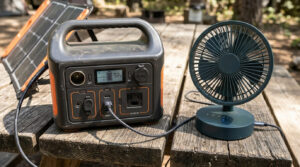
Caption: Compact USB rechargeable fans and evaporative cooling towels offer life-saving relief during sudden power grid failures.Alt Text: Portable rechargeable fan and cooling accessories on display
Pros & Cons
Pros:
-
Immediate Thermal Relief: Cooling towels drop skin temperature rapidly through natural evaporation.
-
Independent Operation: Battery and hand-crank options require no household electricity.
-
Compact & Lightweight: Easily stored in home emergency pantries or vehicle glove boxes.
-
Cost-Effective Protection: Inexpensive preventative items that mitigate heat exhaustion risks.
Cons:
-
Water Dependency: Evaporative cooling accessories require a steady supply of clean water to remain effective in arid regions.
-
Battery Limits: Small handheld fans require periodic recharging or battery swaps during multi-day outages.
Who It’s For vs. Who It’s NOT For
-
Who It’s For:
-
Families living in regions prone to summer heat domes, rolling blackouts, and heatwaves.
-
Outdoor workers, hikers, and commuters needing reliable mobile cooling gear.
-
-
Who It’s NOT For:
-
Individuals looking for heavy industrial HVAC installations or whole-home backup generators.
-
Regional Pricing & Availability
-
Price Tracking: Essential cooling and hydration kits range affordably from $15 to $60, while robust power stations scale from $100 to $300+.
-
Availability: Readily available online via Amazon and specialised emergency preparedness outfitters.
Buying Guide: What to Look For Before Purchasing
When assembling your extreme weather and heatwave kit, focus on these critical criteria:
-
Autonomous Power Backup: Ensure you have at least one high-capacity power bank or solar generator to keep communication devices active.
-
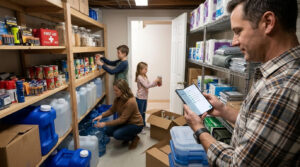
Water Storage Volume: Store a minimum of one gallon of drinking water per person per day, alongside purification tablets.
-
Multi-Functional Tools: Prioritise gear that serves multiple roles, such as emergency radios with built-in flashlights and phone chargers.
Frequently Asked Questions
How much water should I store for an emergency heatwave?
Experts recommend storing at least one gallon of drinking water per person per day for a minimum of three days (ideally a two-week supply for home kits), plus extra for pets and cooling.
Do electric fans work during extreme heatwaves?
Electric fans circulate air, but when ambient temperatures exceed body temperature (around 35°C / 95°F), simple fans can actually accelerate dehydration. They must be paired with skin misting or air conditioning to effectively prevent heat illness.
What are the primary signs of heat exhaustion to watch for?
Heavy sweating, cold and pale skin, dizziness, fast pulse, nausea, and muscle cramps are primary warnings. Move to a cooler space immediately and sip water.
Summary & Final Recommendation
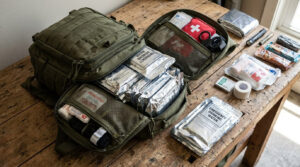
As weather patterns become more extreme, proactive preparation is your best defence. Equipping your household with reliable hydration storage, portable cooling accessories, and backup power solutions ensures safety during sudden heatwaves and grid disruptions.
About the Author & Review Standards
Reviewed by Omowumi Yusuf — Website Manager & Tech Review Specialist at BDynamics Hub.
BDynamics Hub delivers detailed, research-backed reviews of home technology, outdoor equipment, and digital tools. Learn more on our About Us Page.